With unions and community organizations being called on to mobilize more urgently in defense of workers’ and immigrant rights, the Asian American Racial Justice (AARJ) program continues to expand the efforts to prepare Asian American, Native Hawaiian, and Pacific Islander (AANHPI) activists and allies for sustained action.
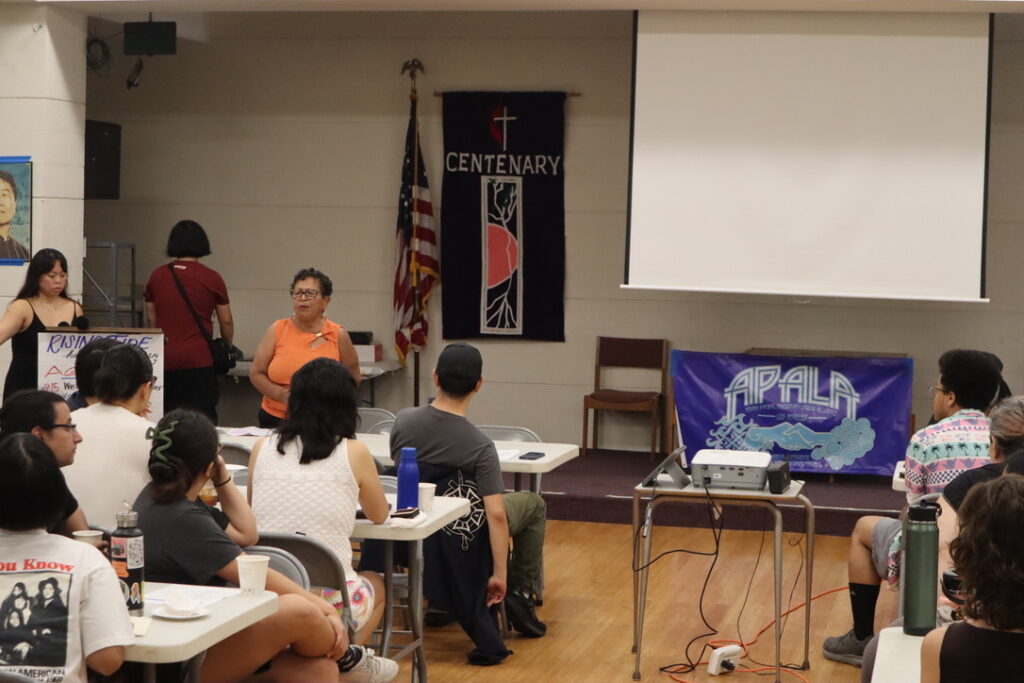
Earlier this summer on July 25, 2026, AARJ and the Asian Pacific American Labor Alliance (APALA) hosted the AANHPI Worker Summit—bringing together over 50 participants from unions, student groups, and community organizations across the labor and immigrant movement in California. Woven into the day was a dedicated space where labor and student leaders convened in a small cohort to discuss current initiatives, labor rights history, and international issues facing AANHPI communities.
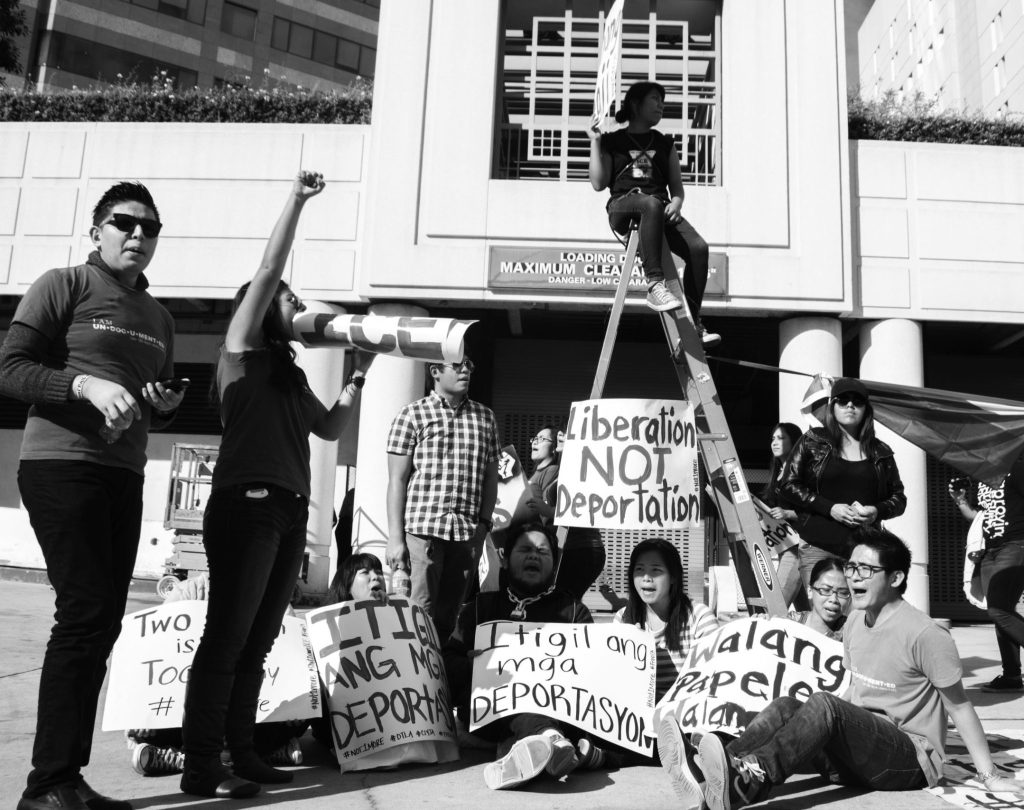
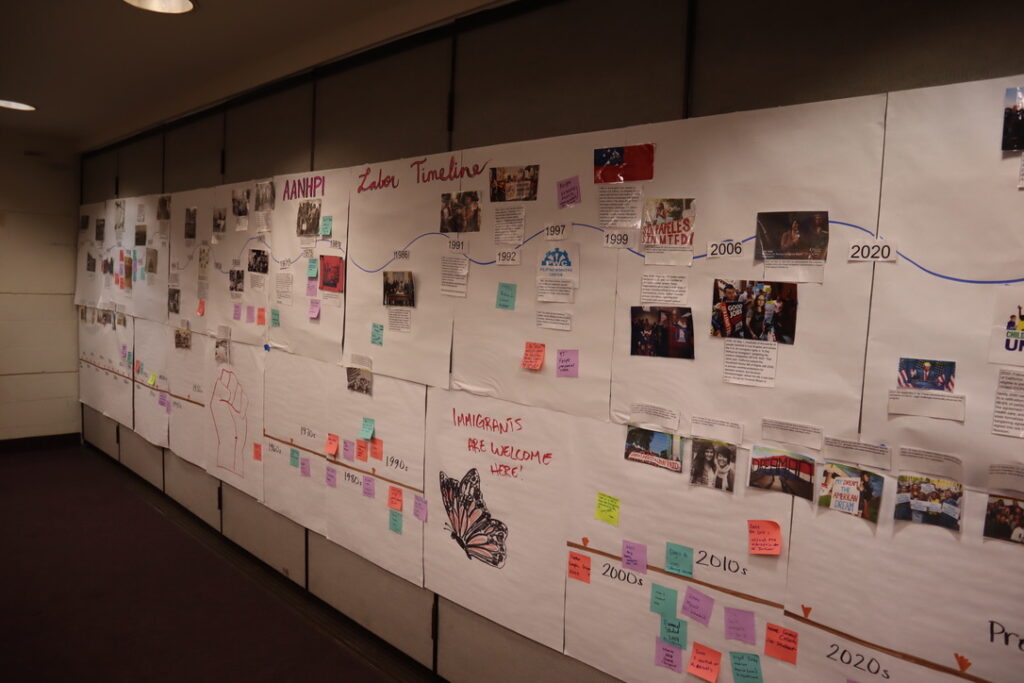
“K(no)w History, K(no)w Self” began the worker summit with a timeline beginning from early events like the Chinese railroad workers’ strikes of the 1860s, the incarceration of Japanese Americans during World War II, Tam Tran’s testimony in Washington, the establishment of DACA, and the beginning of other AANHPI led causes. Created with posters and photography, this installment was meant to be walked through, as a reminder that the AANHPI labor movement didn’t begin recently and hasn’t stopped since.
Participants were encouraged to place themselves directly on the timeline—marking the moment their own journey began. For some, that meant going back generations, to an elder who migrated decades earlier. For others, it meant marking their own undocumented journey, a double migration, or another personal milestone as an immigrant. Each note included how old they were, where it started, or how many generations ago it happened.
The storytelling session gave people space to talk about things they hadn’t said out loud before. The workshop had built familiarity among people from different parts of Southern California, ages, campuses, professions, and immigrant experiences, all sitting and trading stories. This session taught participants how to tell their stories under 3 minutes in building a pitch for their own “why?” as organizers. People shared about the reasons they’d started showing up whether it’s picketing or organizing. By the time the workshop ended, this was the one activity most people said they wanted more of, whether that meant hearing more stories or simply staying connected with causes that they became captivated by.
In the afternoon, the summit moved outside for a local and immersive timeline of AANHPI history in downtown Los Angeles. Nikkei Progressives led a walking tour through Little Tokyo, turning the neighborhood itself into a lesson. The tour moved through sites where past generations had fought for fair employment, built institutions that are still standing, and shaped the neighborhood as it exists today.
One stop was the Little Tokyo Towers, an affordable senior housing built in the 1970s. This community landmark was made after organizations and neighbors came together to keep aging, mostly first-generation immigrant residents, from being pushed out of the neighborhood they’d lived in for decades.
Heading back indoors, folks split off into their respective workshops: Organizing Conversations, Nonviolent Direct Action & Community Defense, and the Dream Cafe: Building Liberatory Futures. Shared Waters convened on its own in a student roundtable, turning their attention to what undocumented student AANHPI organizing looks like right now, and where they envisioned it. Participants were candid about the isolation and fragmentation that often define this work, especially in the current political climate and as a minority within the immigration landscape. Naming that difficulty out loud, in a room full of people who recognized it too, became its own kind of relief.
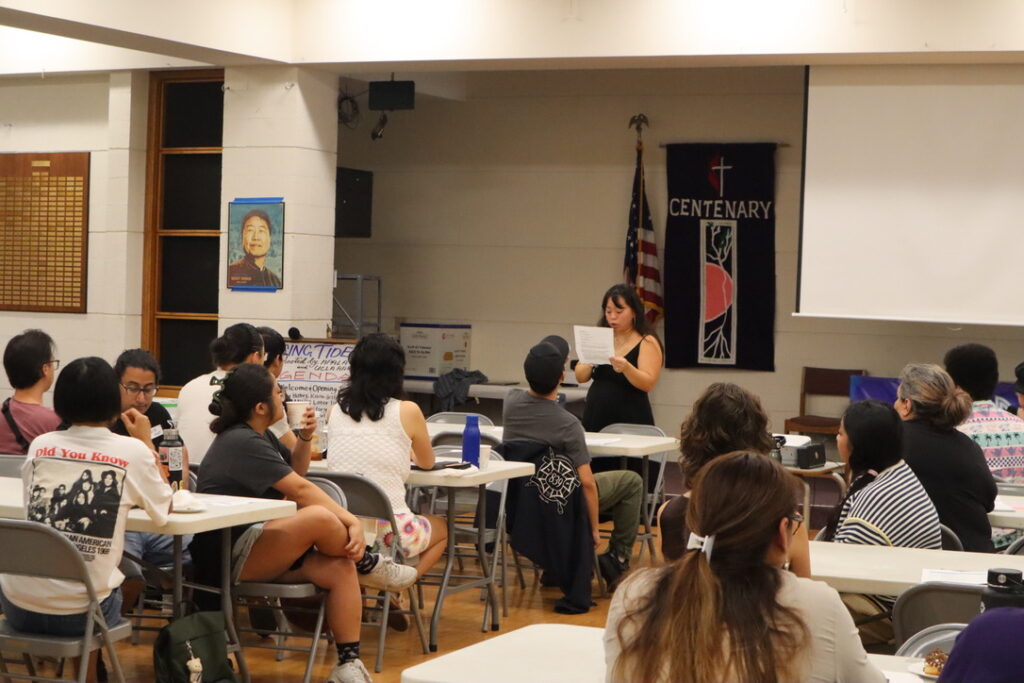
The afternoon plenary brought in labor leaders, organizers, and community advocates to talk about worker struggles happening outside the U.S., and how those movements connect back to organizing here at home. The panel made the case that international solidarity isn’t a separate track from local organizing, and how intergenerational organizing is.
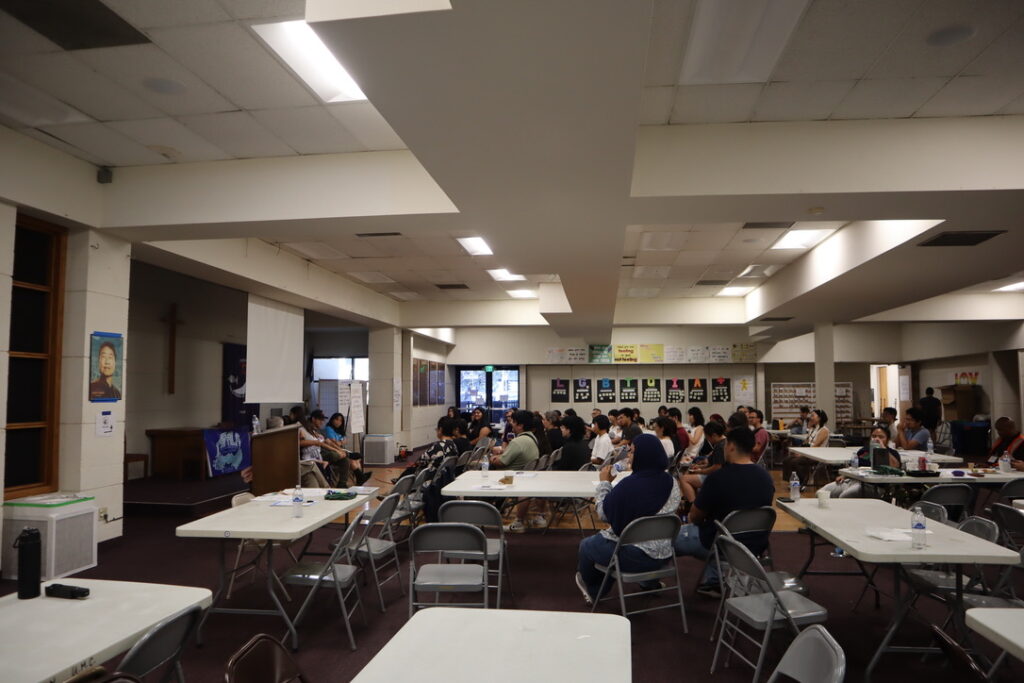
The summit closed with an intentional moment to reflect on what everyone had heard and seen throughout the day, and more importantly, materializing what they planned to do with it. Some talked about bringing these lessons back to campus. Others thought about their workplace, their union, or their own community. The exercise wasn’t asking anyone to have it all figured out. It was asking them to leave with a next step, however small, one more push toward a rising tide.